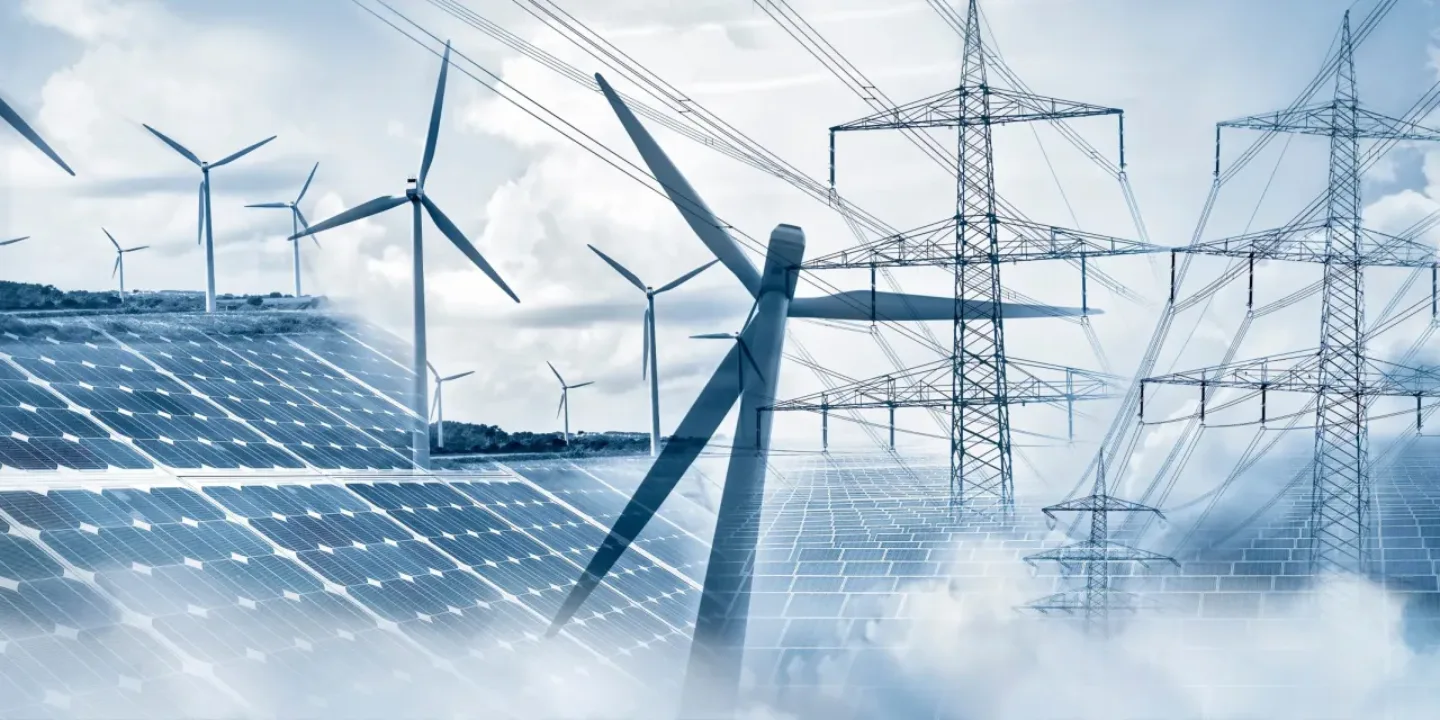
The Senate voted today on an amendment to the Energy Act, the so-called “Lex OZE III“, whose basic objective is to respond to current European trends in the energy sector, i.e. the reduction of fossil fuels and increased production of energy from alternative sources. For example, the amendment introduces into our market regulations related to energy storage and aggregation flexibility, expands the possibilities of energy sharing and protection of sharers, allows the acquirer of a commercial establishment to continue licensed activities similarly to the conversion of a legal entity and specifies the basic legal framework for capacity mechanisms. Last autumn, however, it was this amendment that became the vehicle for amendments related to the operation of renewable energy sources, but aimed at limiting their financing from the state budget. Some of these proposals have already been rejected by the Chamber of Deputies; the last one, which would have introduced an individual limit on the internal rate of return and the obligation to report the rate of return for PV projects from 2009-2010 for projects above 30 kWp in order to demonstrate the adequacy of the support for the operation of such PV plants, did not pass the Senate for amendment. The entire self-evaluation adequacy section was deleted and Lex OZE III was returned to the Chamber of Deputies for another vote.
Within 60 days, the Chamber of Deputies will vote again on Lex OZE III, and the following possibilities may arise:
We will of course monitor further developments closely and will keep you informed in due course.
…

We are especially happy about the fact bpv BRAUN PARTNERS moved up in the ranking in Commercial, corporate, and M&A, Dispute resolution and Projects and Energy areas.
The world has been experiencing various crises recently. From the Covid virus pandemic, to the war in Ukraine, to the energy crisis. If companies want to survive, they have to react to these crises, and they are not always successful in doing so. Can preventive restructuring help companies solve the financial problems caused by high energy prices?

Congrats to Martin Provazník on the preparation of a comparative analysis for the 2023 INSOL EUROPE yearbook on the Slovak regime of avoidance actions.